 2026 Finalist
The Dhahan Prize For Punjabi Literature
To inspire the creation of Punjabi literature across borders, bridging Punjabi communities around the world and promoting Punjabi literature on a global scale.
Islamabad, Capital Territory, Pakistan
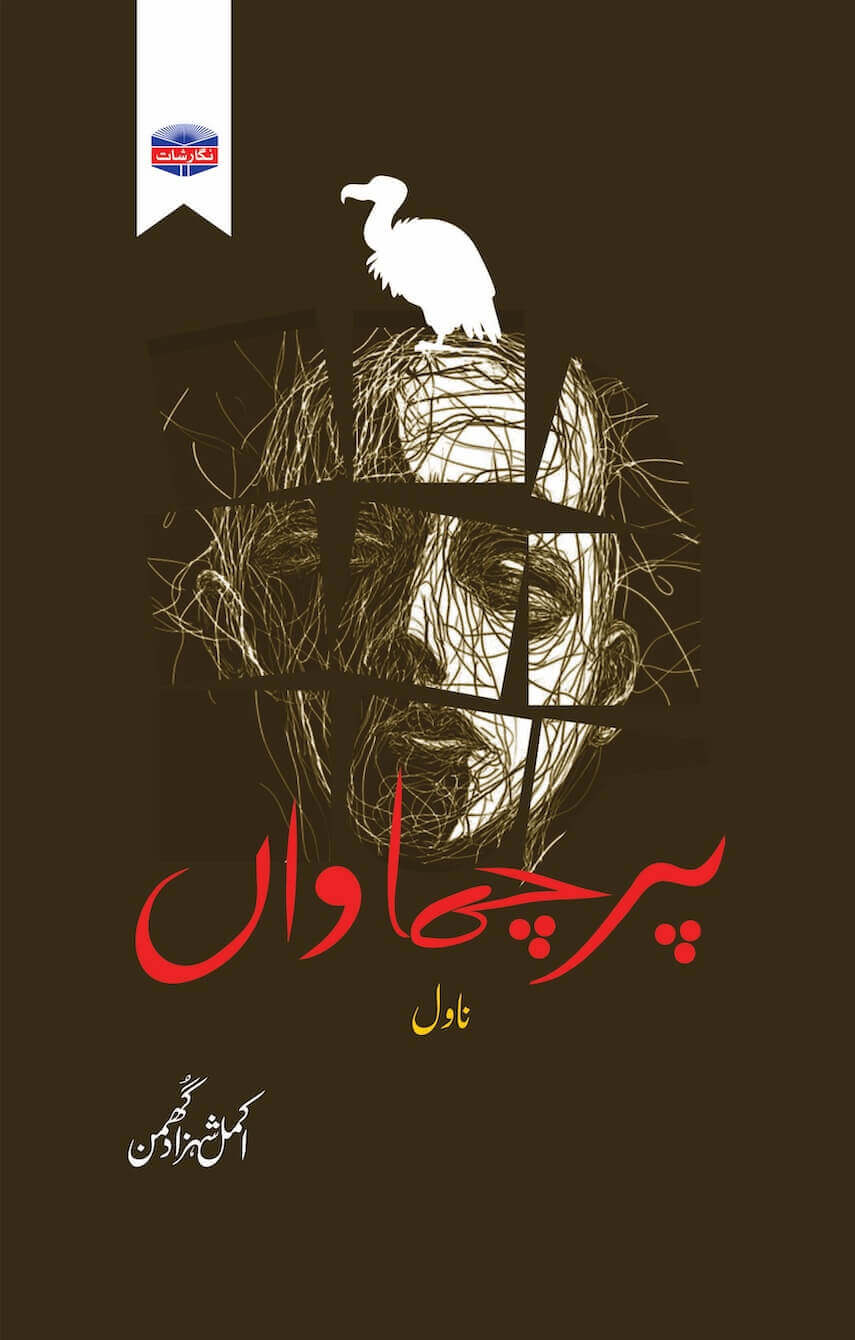
‘Parchawan’ (‘Shadow’) is a courageous novel set in a single Punjabi village of the 1980s. It captures the seismic transformation of an entire nation under General Zia-ul-Haq's project of Islamisation. The title's irony cuts sharp: the General’s name means light, the light of truth. Ghumman shows us the fraud beneath. The general's eyes don't align, as the village bhands (entertainers) point out. It's a perfect image: a man bent on straightening the nation's morals who can't look straight. Ghumman's chosen form — a sequence of brief, episodic chapters — appears deceptively modest at first encounter. Each episode seems to record only the small, local happenings of village life. But as these fragments accumulate, they transform into a devastating panorama of a society coming apart at its seams.
Ghumman's style is exactly right: plain spoken, casual, laced with humor. The prose is fluent, unshowy, never forcing the reader what to feel. The village itself becomes a character—not a backdrop but a living thing with its own memory and resilience. It survives Zia. It endures.
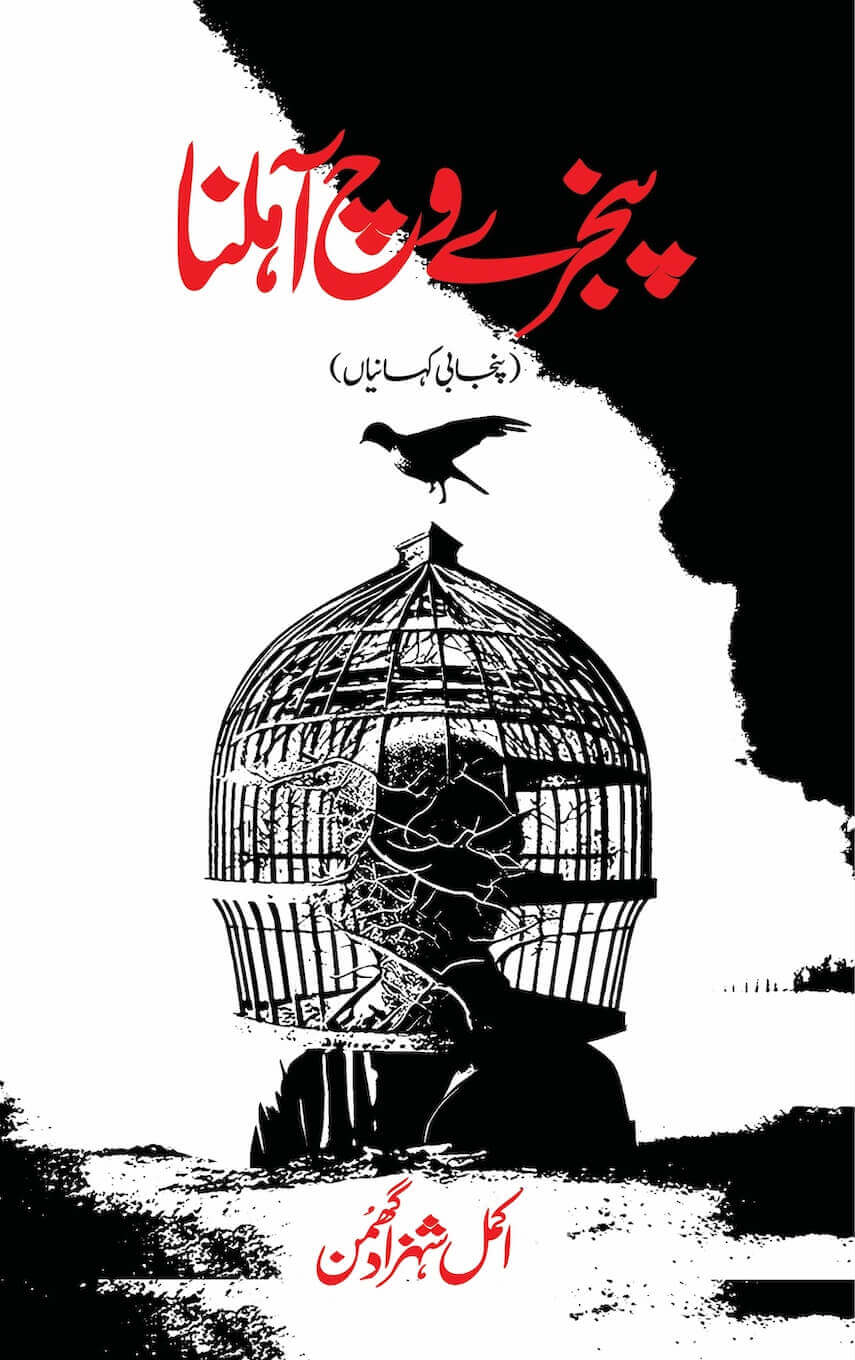
Akmal Shahzad Ghumman's ‘Pinjre vich Ahalna’ (‘The Nest in a Cage’) is a deeply observant collection of short stories. The book explores the changing social and political fabric of Punjab, particularly its growing religious intolerance. With emotional honesty, empathy, and a sharp eye, Ghumman gives voice to people living through shifts of small hopes, quiet defeats and unexpected moments of resilience.
In the title story, a pigeon tries to build a nest in an old cage left on the terrace of a rented house. The narrator has recently relocated to one of the many sterile enclaves sprouting along the city's edges. He watches the bird’s struggle with quiet identification. The neighbourhoods, planned more for appearance than livability, are planted with ornamental, non-native trees—too delicate to offer shade, but potent enough to trigger allergies. They feed a growing market of clinics and pharmacies. The narrator, like the pigeon, is learning to adapt to a life shaped by displacement and quiet estrangement.
'Mussulman', the most layered and ambitious story, follows a Christian convert who survives as a mystic at a Sufi shrine. His presence is both a challenge to rising orthodoxy and a quiet reminder of older, shared values.
